

 3 min read
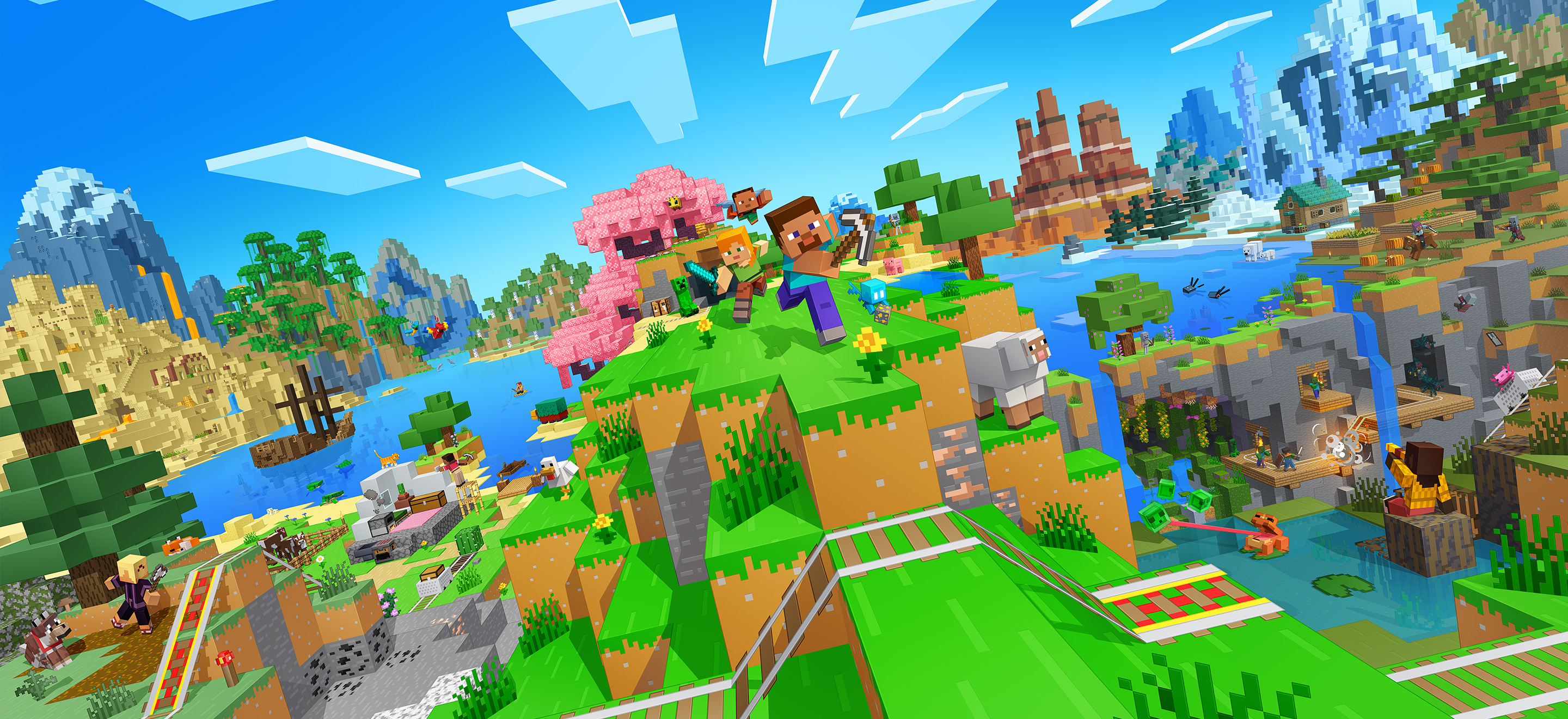
A developer going by the handle jaivin has squeezed a playable multiplayer Minecraft clone into a single post on X, and the project, called Tweetcraft, has already pulled in 7.4 million views on the first post linking to the game. At the same time, the creator started selling sponsorships for cryptocurrency, which quickly sparked a debate about the limits of copyright law and how Microsoft might react.
How Tweetcraft works
The setup is simple: a player creates a new world, and the site generates a unique link for it. The link goes up on X as a post, and anyone who opens it joins the same session in real time, with no software to install and no Microsoft account to log into.
The whole game runs right in the browser, rendering an AI-generated world in a style familiar from Minecraft. The creator used AI models to recreate the building and exploration mechanics without touching Mojang's original code or art assets, something jaivin has stressed directly in statements accompanying the launch.
Crypto-funded sponsors
Besides being a purely technical experiment, Tweetcraft has its own business model. The creator sells ad slots at the top of the server list, sponsored entries on the bulletin board of a specific world, and even logos placed on the "Block Dragon" created in the game, all paid for in cryptocurrency.
This mix of viral social media reach and crypto-based monetization quickly drew attention not only from players but also from token market watchers, where a token named Tweetcraft, based on the project's name and unrelated to the app's creator, has already appeared.
Disclaimer and legal risk
In his statements, jaivin stresses that Tweetcraft "does not use any Minecraft assets" and has no connection to Mojang or Microsoft. The declaration is meant to protect the project from copyright claims over specific textures, models or game code.
However, commentators quoted in industry media point out that the name alone, the block-building mechanics and an aesthetic strikingly similar to Minecraft could still catch the eye of Microsoft's lawyers, regardless of whether the game's code or files were directly copied.
Community reactions
Reactions to Tweetcraft are mixed. Some users praise the idea as an easy way to play together without downloading the game or creating an account, while others warn that the project is walking a legal tightrope, bundling potential disputes with Mojang and with X itself over using its infrastructure to run games.
The project fits into a broader trend in October 2026, in which more and more teams and solo creators are using AI models to build unauthorized clones and add-ons inspired by Minecraft, much like the earlier AI Players tool, which adds AI-controlled companions to the game.
What's next for the game and the clones
For now, neither Mojang nor Microsoft has publicly commented on Tweetcraft. For players who would rather go back to the original gameplay legitimately and reliably, the main option remains buying the game and downloading it in the Java Edition or Bedrock Edition version, rather than using unauthorized clones with no guarantee of lasting gameplay or data security.
Experiments like this, which resemble the social dynamics of the Minecraft server list, also show how easy it is today to recreate recognizable gameplay with widely available AI models. This will likely fuel more legal debates in the coming months, especially since the game also involves crypto monetization, which can be subject to separate regulations of its own.