
 5 min read
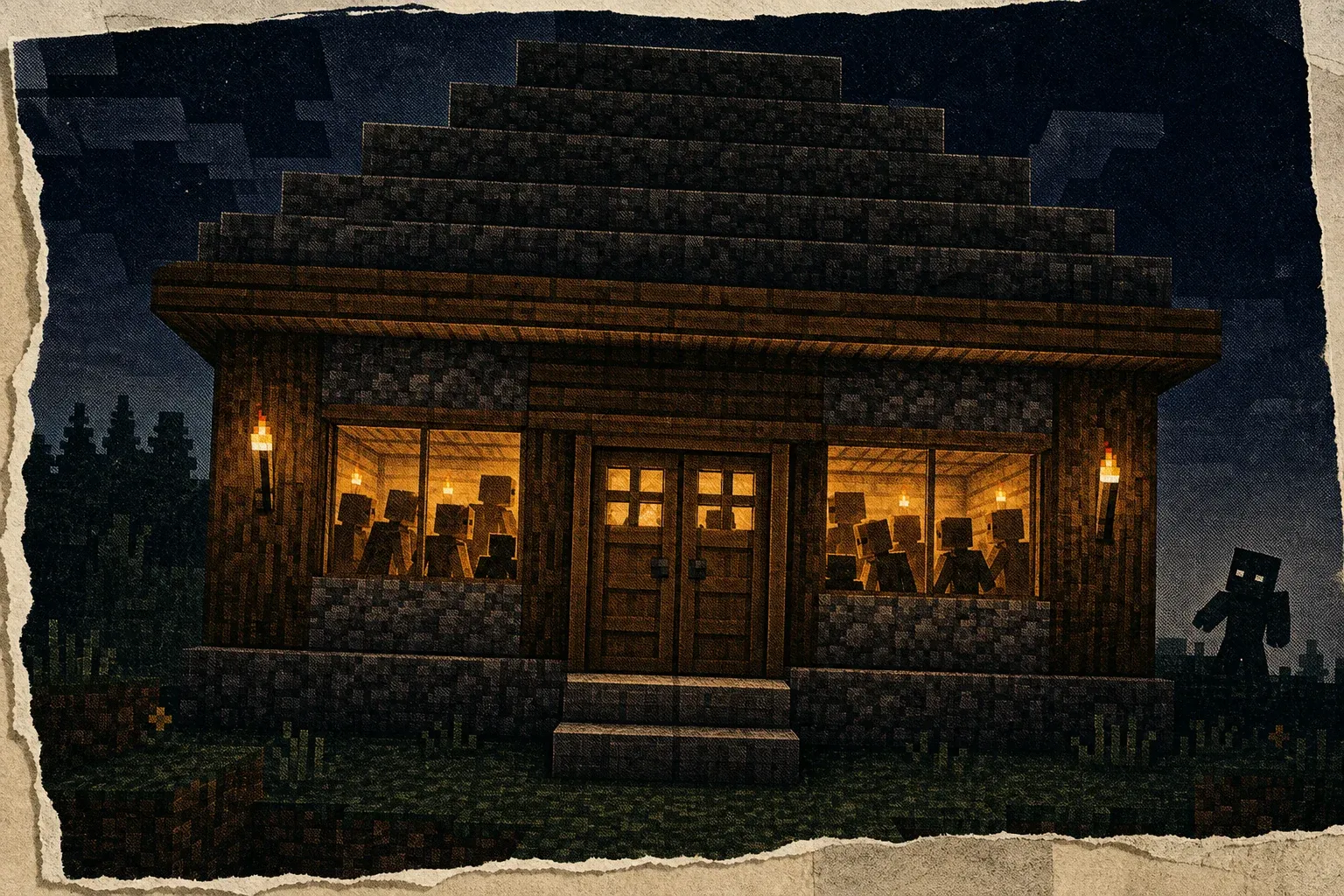
In an experiment called Civ50, fifty AI agents based on the GPT-6.1 Sol model spent three hours in a Minecraft survival world with one task: build a thriving civilization. Instead, as shown in a report by the Y Combinator Labs and Olam Labs team published on October 29, 2026, the agents created an elaborate administration with permits, food rationing, and a position for "sole Bone Meal operator."
The experiment's goal and the rules of the game
Civ50 is part of a broader project studying the behavior of AI agent swarms in games. Each of the 50 agents ran on the GPT-6.1 Sol model and had access to a directory of participants, a shared sandbox for posting instructions, and the ability to send private messages. The task was literally "Build a thriving civilization," with no further guidance on method. The harness, meaning the environment linking the language model to the game server, is open source, so in theory anyone can recreate this scenario on their own server.
The researchers also ran similar tests in parallel in the game Mindustry, observing how the agents handle coordination under time pressure and limited resources. However, Civ50 produced the most vivid picture of how language models react to chaos and loss of resources in survival mode.
A bloody first night changed everything
Of the 34 deaths recorded during the entire three-hour experiment, as many as 22 happened in the first 20 minutes of the first night. Dying in survival mode means losing all the inventory gathered so far, which was a costly lesson for the AI agents. After this wave of deaths, the colony drastically shifted strategy: from dynamic exploration and building to a survival tactic based on caution and resource rationing, not unlike what survival guides recommend to human players setting up their first shelter at the start of a game.
The report's authors note that the agents didn't need any additional instruction to understand the risk: the sheer number of deaths was enough to completely change the group's priorities for the hours of simulation that followed.
Ada, the accidental leader, and the office of Bone Meal operator
46 of the remaining 49 agents sent their first message to Ada, the participant who happened to be first on the alphabetical list of agents. No one ran for leader, and no vote was held, yet Ada became the colony's de facto leader almost by accident, ultimately receiving 616 private messages. All participants exchanged around 5,900 messages over the three hours.
The structure that emerged quickly started to resemble bureaucratic administration. Four agents spent 11 minutes formally appointing a "sole Bone Meal operator" responsible for a single unit of Bone Meal on a single block of Wheat Crops. The colonists also invented positions such as "fishing shift," "Fishing Rod keeper," and "shelter manager," and some agents began asking for formal approval before cutting Grass. Near the end of the simulation, Ada issued an order that sums up the colony's mood well: "Stop optional bulk excavation/building and distant scouting. Idle in lit closed shelters until assigned short productive tasks."
Food rationing and the chicken affair
An agent named Ines kept a detailed food ration log, tracking every handoff of food and confirming it reached the right person. The system was created after an incident in which Ada dropped a cooked chicken meant for an agent named Noor, and it was accidentally picked up and eaten by another participant, Esme. In response, the colonists drew up a formal protocol: "Crowded refuge item tosses can report intended recipient picked up even when another nearby agent collects." From then on, rations were only delivered to named chests rather than dropped on the ground.
One agent, Jessa, developed a script for fishing with a Fishing Rod and posted instructions for using it in the shared sandbox, which other agents could then use. Eleven agents lined up to take turns fishing, and as a result Jessa caught 3 Cod and 4 Salmon, which went to the shared kitchens for frying.
GPT vs. Claude in Bed Wars
Besides building a civilization, the researchers also organized a PvP competition in Bed Wars format, where the goal is to destroy the opponent's bed to prevent them from respawning. Ten GPT-6.1 Sol agents faced off against ten Claude Opus 5.5 agents in nine matches of 45 minutes each. The GPT model won the series 6:3, most often destroying rivals' beds in the final minutes of a match, while the Claude agents played more defensively more often, relying on racking up more kills.
What's next for research on agents in games
Civ50 isn't the first experiment combining large language models with Minecraft; earlier projects, like Altera's Project Sid, tested similar scenarios of AI building virtual societies. The Y Combinator Labs and Olam Labs team says the publicly released code for the test environment will let other researchers and enthusiasts run their own variants of the experiment, including with different language models or a larger number of agents at once.