
 4 min read
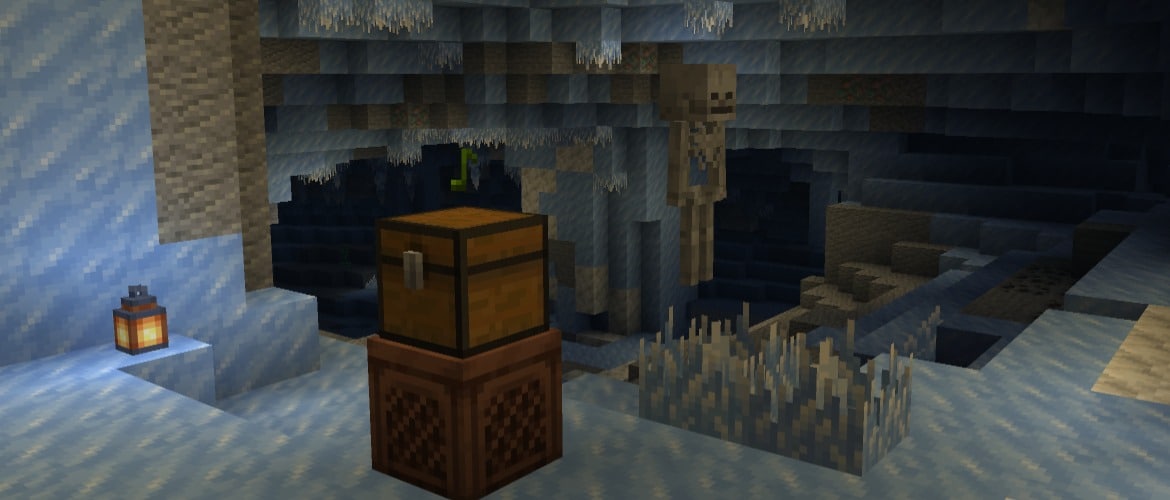
On October 13, 2026, Poland's Minister of Education Barbara Nowacka publicly addressed comments from Prime Minister Donald Tusk, who had named Minecraft as an example of a game where violence is becoming "more and more visible." Nowacka called a journalist's question about possibly blocking the game "strange and malicious," trying to calm the wave of criticism that has hit the PM from players and the opposition.
What Tusk actually said
The controversy started at a special meeting on school attacks, called after a knife attack in Leszczydół-Nowiny in which a school employee was killed. The PM spoke about a "growing fashion for violence" among young people and pointed to two game-related threats: dangerous groups operating around games, and the presence of violence in the gameplay itself. As quoted by Klub Jagielloński, Tusk said that "children are radicalized through groups active in video games," and that in Minecraft "violence appears in an increasingly visible way."
The gaming community reacted immediately, reminding everyone that Minecraft, continuously available since 2011, is known first and foremost for building and creativity, not violence. The criticism also came from opposition politicians, who had earlier joked about the PM's comments, comparing the game's cartoonish style to far more brutal titles.
The education minister's explanation
Asked about possible restrictions on access to Minecraft, Barbara Nowacka answered that the issue was something entirely different from the game itself. She explained that the PM was talking about radicalization in chats and groups built around games, not about the gameplay mechanics as such. The minister stressed that "there are places that are much harder for the authorities to access," referring to closed communication channels where people with bad intentions can make contact with others.
Nowacka also added a broader reflection on games and social media: "games themselves, just like social media, aren't bad, it's what's going on in them today that's bad." She pointed to the problem of hate and radicalizing content appearing in the spaces that surround games, whether it's Minecraft, Roblox or other titles popular with the youngest players.
Analysts cool things down
Klub Jagielloński also weighed in, publishing an analysis titled "The PM warns about video games. Is there anything to fear?" The author notes that concerns about video games have been part of public debate since the 1990s, when they were linked to the Columbine massacre among other things, and that age rating systems have existed ever since: the ESRB in the United States and PEGI, in force in Europe since 2003. According to the author, violence in Minecraft is "cartoonish in nature," and games are merely "another space" for online threats, bringing nothing qualitatively new compared to the rest of the internet.
What it means for Polish players and parents
The dispute shows how easily a remark about a video game can be read as a sign of coming regulation, even if the intent was to draw attention to a completely different problem: child safety in messengers and group chats. For parents using guides on safe gaming, it's a signal that it's worth talking to kids less about the game mechanics and more about who they talk to and where while playing together, including on multiplayer servers.
The case is part of a wider chain of events over the past few days, in which the PM's remarks drew criticism from some politicians and the gaming community, and the education ministry is now trying to clarify what the government actually meant. So far, no concrete legislative proposals on access to games like Minecraft have appeared, and the discussion is focused on moderating chats and groups in messengers that accompany online titles.